Wisdom Teeth Removal in Oxnard CA: What Young Adults Should Expect
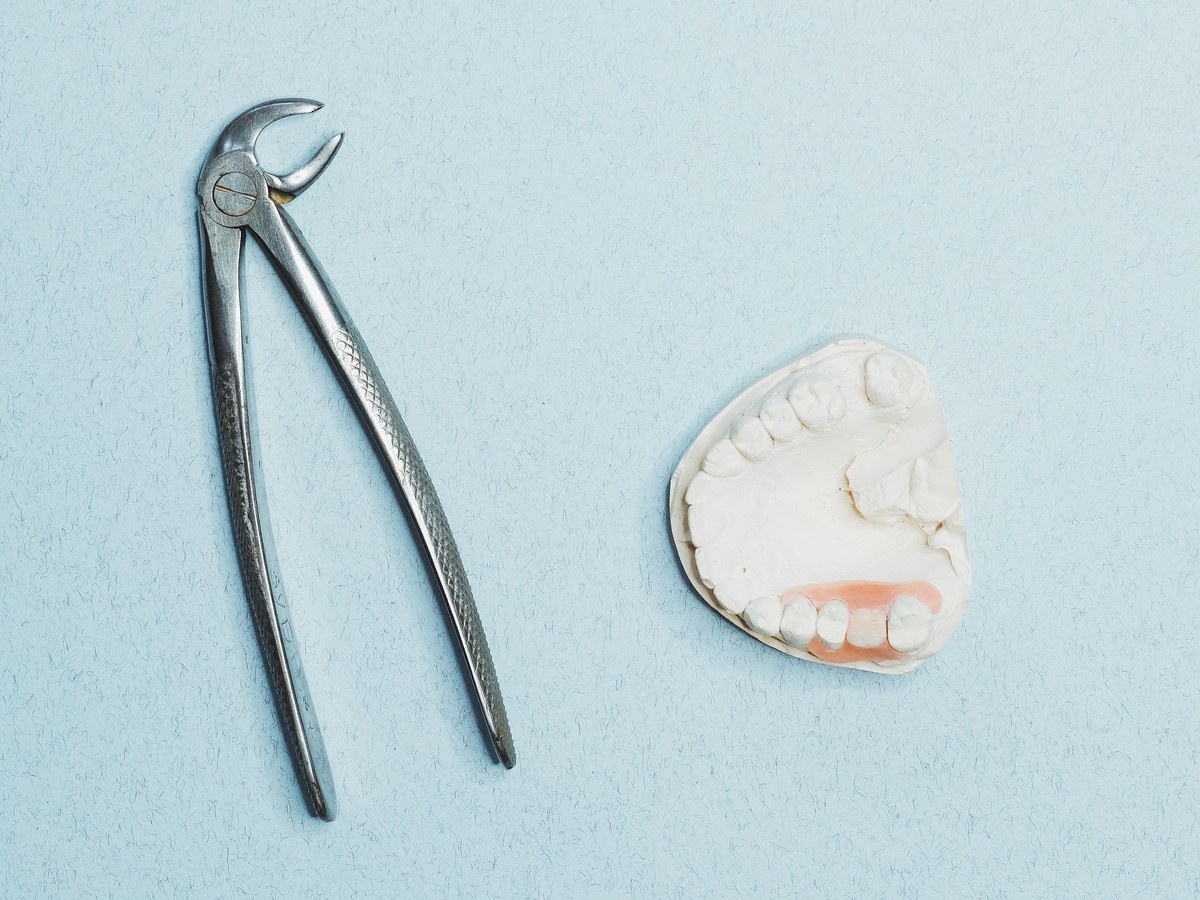
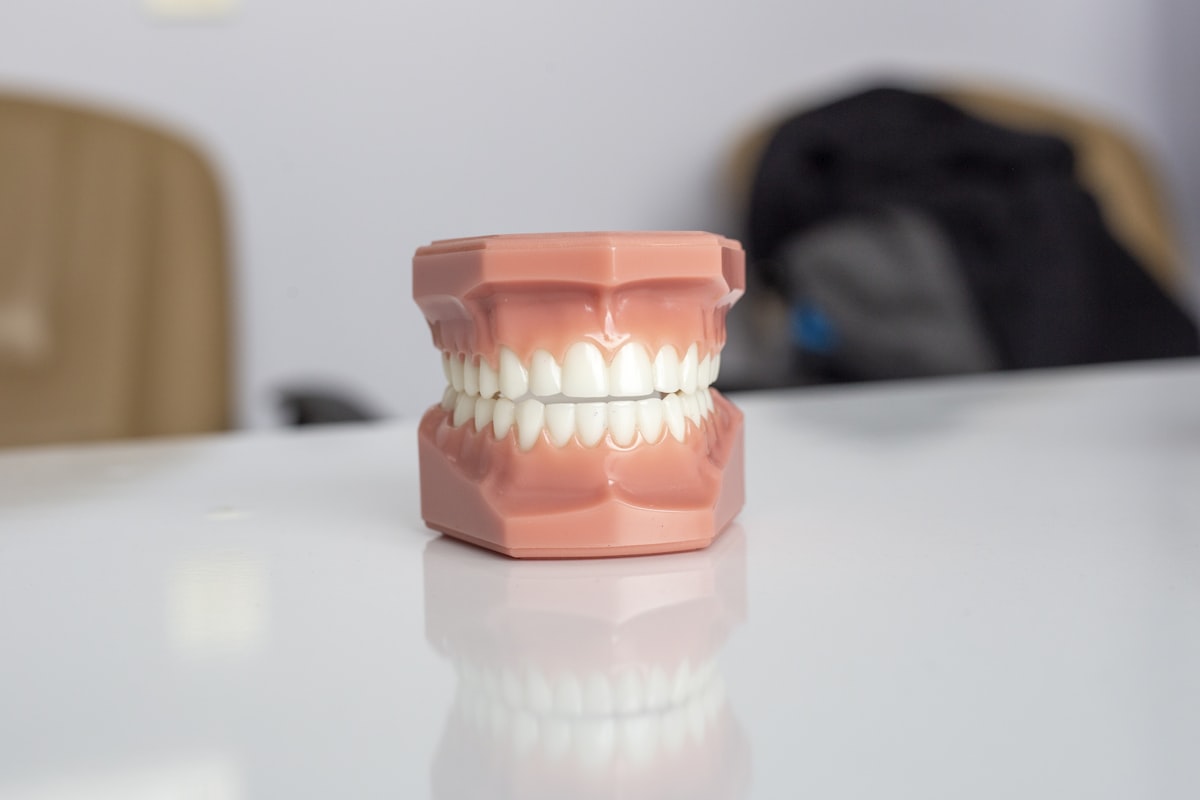
For many young adults, wisdom teeth removal is the first real oral surgery they ever face. That alone can make it feel bigger than it is. Add a crowded school schedule, a first job, sports, roommates, or college plans, and the question becomes less abstract. It is not just, “Do I need my wisdom teeth out?” It is, “How disruptive will this be, how much will it hurt, and what does recovery actually look like?”
If you are considering Wisdom Teeth Removal Oxnard CA, it helps to know what the process tends to look like from start to finish. Most people hear a lot of secondhand stories, some dramatic, some oddly vague. A friend says they were eating fries three days later. A sibling says they looked like a chipmunk for a week. Both can be true, depending on the position of the teeth, the type of extraction, and how closely the aftercare instructions were followed.
The good news is that wisdom teeth removal is a routine procedure. Oral surgeons and dentists who perform extractions do this regularly. Even so, routine does not mean casual. The best outcomes come when patients understand why removal is recommended, what to expect on the day of surgery, and what habits matter most during recovery.
Why wisdom teeth become a problem in the first place
Wisdom teeth, also called third molars, usually appear in the late teen years or early twenties. Some people have all four. Some have fewer. A small number never develop them at all. The problem is not that wisdom teeth are inherently bad. The problem is that many mouths simply do not have enough room for them.
When there is not enough space, wisdom teeth may grow in at an angle, remain partly trapped under the gums, or stay fully impacted inside the jawbone. A partially erupted tooth can create a pocket where food and bacteria collect. That can lead to swollen gums, tenderness, bad breath, and repeated infections around the back molars. Impacted teeth can also press against the neighboring second molars, which raises concern about damage to the adjacent tooth.
Not every wisdom tooth needs to come out immediately. I have seen patients in their early twenties with well erupted, easy to clean third molars that were causing no trouble. I have also seen teenagers with impacted lower wisdom teeth already crowding the roots of nearby molars. The recommendation depends on what the exam and imaging show, not just on age alone.
Why many surgeons recommend removal during the late teens or early twenties
There is a practical reason oral surgeons often prefer to remove wisdom teeth earlier rather than later. In younger patients, the roots may not be fully formed, and the surrounding bone is generally less dense. That can make the procedure more straightforward and recovery somewhat easier.
That does not mean older adults cannot have wisdom teeth removed. They can, and many do. But younger patients often bounce back faster, and it is easier to schedule a planned procedure than to wait until there is pain, swelling, or an infection right before a major life event.
In a place like Oxnard, timing matters for another reason. Young adults often try to fit treatment around school breaks, athletics, work https://jsbin.com/?html,output schedules, or family travel. Summer and winter breaks are popular windows because they allow several recovery days without missing classes or work shifts. If a provider’s schedule is busy, it helps to plan ahead rather than waiting for a flare-up.
What the evaluation usually includes
The consultation is where the picture becomes clearer. A provider will review your symptoms, medical history, medications, allergies, and any prior issues with anesthesia or sedation. Then comes the exam and imaging. Panoramic X-rays are common, and in some cases a three-dimensional scan may be recommended if the roots appear close to important structures, such as the nerve in the lower jaw or the sinus area in the upper jaw.
This visit is also where patients should ask direct questions. If all four teeth are being removed, are they erupted or impacted? Will a general dentist handle it, or is an oral surgeon the better fit? What type of anesthesia or sedation is being offered? How many days off from school, work, or workouts are realistic?
A thoughtful provider does not rush through these details. If the explanation feels vague, ask for clarification. Young adults often nod through a consultation because they want to seem unfazed. It is better to ask now than to be surprised later.
Not every extraction is the same
People often talk about wisdom teeth removal as though there is one standard experience. There is not. A fully erupted upper wisdom tooth that is easy to access can be quite different from a lower impacted tooth lying sideways under the gum and bone.
That difference affects several things at once: the surgical time, the amount of swelling afterward, the soreness over the next few days, and sometimes the cost. It also affects how much disruption you should expect. Someone having one uncomplicated upper tooth removed may feel pretty normal quickly. Someone having four impacted teeth removed under sedation may need a more deliberate recovery period.
This is why comparing your case to a friend’s can be misleading. Similar age does not mean similar anatomy.
Sedation, anesthesia, and what “being asleep” really means
One of the biggest points of confusion for young adults is the difference between local anesthesia, sedation, and general anesthesia. Many patients use the phrase “put to sleep” for any procedure where they do not remember much. Clinically, the options can vary.
Local anesthesia numbs the surgical area and is used in nearly every extraction. Some patients are comfortable with local anesthesia alone, especially for simple extractions. Others prefer sedation because it reduces anxiety and can make the experience feel shorter and easier. Depending on the office and the case, sedation may range from nitrous oxide to oral sedation to IV sedation. In some settings, deeper anesthesia options may be available.
The right choice depends on the complexity of the extraction, your medical history, and your comfort level. A nervous college freshman having four impacted teeth removed may prefer IV sedation. Another patient with one fully erupted upper wisdom tooth may do just fine with local anesthesia and a calm explanation of each step.
Whatever option is planned, follow the office instructions exactly. Fasting requirements before sedation are not suggestions. They are safety rules.
How to prepare in the days before surgery
Young adults often focus so much on the surgery itself that they forget recovery begins with preparation. The more organized you are beforehand, the smoother the first forty eight hours tend to go.
Here is the short version of what matters most:
- Arrange a reliable ride home and, if sedation is planned, someone to stay with you for at least the first several hours.
- Fill prescriptions early, if the office sends them in advance.
- Stock up on soft foods and fluids you will actually want to eat, such as yogurt, pudding, soups, applesauce, mashed potatoes, smoothies eaten with a spoon if straws are restricted, and scrambled eggs.
- Plan to pause strenuous exercise, heavy lifting, and intense social plans for several days.
- Wear comfortable clothing and follow all pre-op instructions about eating, drinking, and medications.
These basics sound simple, but they are where many preventable hassles begin. I have seen patients come home groggy and discover there is nothing in the refrigerator except salsa, energy drinks, and leftover pizza. That makes the first night harder than it needs to be.
What the day of surgery feels like
Most wisdom teeth appointments move quickly once you arrive. There may be paperwork, confirmation of your health history, and a brief review of the plan. If sedation is involved, the clinical team will check vital signs and get you settled. After that, things often feel faster than patients expect.
For simple cases under local anesthesia, you may feel pressure and movement, but not sharp pain. For sedation cases, many patients remember little to nothing once the medication takes effect. The actual procedure time varies. Some extractions are done relatively quickly, while impacted teeth can take longer. “Longer” still usually means measured in minutes, not in half a day.
The ride home is often uneventful, but this is where the foggy, funny post-op videos come from. Some young adults are chatty. Others sleep. A few are nauseated if they did not tolerate the medications well. That is not the norm, but it happens often enough that it is worth mentioning. If you are prone to motion sickness, tell the office before the procedure.
The first twenty four hours matter more than people realize
If there is one part of recovery that deserves respect, it is the first day. This is when the blood clot forms in the extraction site, and that clot is essential for proper healing. Dislodging it too soon can lead to a painful complication called dry socket, which is especially common in lower extraction sites.
The first day is usually about rest, pressure control, fluids, and keeping your activity low. Some oozing is normal. Mild to moderate swelling is normal. Jaw stiffness is normal. The goal is not to feel great immediately. The goal is to protect the area and let healing start.
A realistic timeline for many young adults looks like this: the numbness wears off over a few hours, soreness starts to build later that day, swelling often peaks around day two or three, and things begin to noticeably improve after that. Full soft tissue healing takes longer than most people think, even if you feel mostly normal within a week.
What recovery usually looks like, day by day
The experience varies, but patterns are common. Day one is about getting home safely, managing bleeding, and staying ahead of discomfort with the prescribed or recommended medications. Day two can feel more swollen and stiff than day one. This catches people off guard, but it is common. Day three is often the turning point, though not always. By days four through seven, many patients can return to work, school, or light routines, provided they avoid anything too strenuous.
Eating is usually more awkward than painful in the beginning. Chewing near the back of the mouth can feel tender, and opening wide may be difficult for a few days. This is one reason soft foods are so useful. Hydration is equally important, and patients who do poorly are often the ones who barely drink because their mouth feels uncomfortable.
There is also a social reality here. If you are a young adult living with roommates or trying to keep up with classes, it can be frustrating to slow down. But the patients who push too hard too early, especially with workouts or late nights, are the ones who often prolong their recovery.
Pain management without guessing
Pain control should be discussed with your provider ahead of time, because recommendations differ by case and by medical history. Some patients do very well with a combination of common over the counter medications, while others may receive a short prescription depending on the complexity of the surgery.
The mistake young adults make is waiting until the numbness fully wears off and then trying to catch up. If the provider gives a schedule, use it. If you have questions because of allergies, stomach issues, or another medication you take, ask before surgery day.
Ice packs can help, especially in the early phase when swelling is ramping up. Warm compresses may become more useful later if stiffness lingers. Do not improvise with random home remedies from social media. Salt water rinses after the appropriate time can be helpful, but harsh swishing, poking at the sockets, or using mouthwash too aggressively can set healing back.
The aftercare rules people most often break
Most post-op instructions are not complicated, but a few are easy to ignore when you start feeling a little better. These are the ones that tend to matter:
- Do not use straws early in recovery if your surgeon tells you to avoid them.
- Do not smoke or vape during the healing window, especially in the first several days.
- Do not resume hard exercise too soon just because you are bored.
- Do not keep checking the extraction sites in the mirror every hour.
- Do not assume severe pain is “normal” if it suddenly gets worse after initial improvement.
Smoking and vaping deserve special attention. Nicotine affects blood flow and healing, and the suction involved can increase the risk of dry socket. Young adults sometimes underestimate this because vaping feels less harsh than smoking. From a healing standpoint, it is still a real concern.
When swelling, bruising, or numbness should raise questions
A moderate amount of swelling is common, particularly with impacted lower wisdom teeth. Some bruising along the jawline or cheek can happen too. What matters is the pattern. If swelling steadily improves after peaking, that is reassuring. If it suddenly worsens several days later, especially with foul taste, fever, or increasing pain, call the office.
Temporary numbness from local anesthesia on the day of surgery is expected. Nerve related symptoms beyond that are less common, but lower wisdom teeth can sit near the inferior alveolar nerve or lingual nerve, which is why proper imaging and planning matter. If a provider discusses this risk with you, that is not alarmist. It is appropriate informed consent.
The key point is that unusual symptoms should be reported, not researched endlessly at midnight. Most concerns turn out to be manageable, and your surgical team would rather hear from you early than after a small issue becomes a bigger one.
What young adults in Oxnard often ask about timing
Timing is practical. That is the concern behind many local consultations for Wisdom Teeth Removal Oxnard CA. Patients want to know how much school or work they will miss, whether they can still go on a weekend trip, and how soon they can get back in the gym or on the field.
A cautious rule for many patients is to expect at least a few quieter days. If your job is desk based, you may be able to return relatively soon. If you lift, coach, work outdoors for long hours, or play sports, you may need more time. Oxnard’s coastal climate is generally mild, which can make recovery more comfortable than recovering in high heat, but that does not cancel out the physical demands of activity.
If you are planning surgery before college move in, before finals, or before a vacation, give yourself more buffer than you think you need. It is far better to feel fully recovered early than to be halfway healed while trying to manage luggage, classes, or a crowded work shift.
Cost, insurance, and why the estimate can vary
The cost of wisdom teeth removal depends on several variables: how many teeth are being removed, whether they are erupted or impacted, who performs the surgery, what type of anesthesia is used, and what your dental insurance covers. This is one reason estimates can differ quite a bit from patient to patient.
Ask for a written treatment estimate before the procedure. If you are on a parent’s insurance plan, confirm what portion applies to oral surgery and sedation. If you do not have coverage, ask whether the office offers payment arrangements. The best time to sort this out is before the day of surgery, not while you are trying to sign paperwork with a numb mouth and an anxious parent beside you.
A few final realities that help patients recover better
The first is that swelling and soreness do not mean something went wrong. They are part of the body’s normal response to surgery. The second is that appetite may be low for a day or two, but hydration still matters. The third is that boredom can be a problem. Young adults tend to feel mentally ready to resume life before the tissues are physically ready. Respect the healing timeline anyway.
It also helps to set expectations with the people around you. If you live with roommates, tell them you may need a quiet night and fridge space for soft foods. If you are a student, avoid scheduling the procedure right before a major exam if you can help it. If a parent or guardian is helping coordinate care, make sure they hear the post-op instructions too. Patients often remember less than they think after sedation.
Wisdom teeth removal is common, but it still deserves planning and good judgment. The smoothest recoveries usually come from patients who ask smart questions, prepare well, and take the first few days seriously. For young adults considering Wisdom Teeth Removal Oxnard CA, that practical approach matters more than horror stories, internet myths, or the friend who claimed they were “totally fine” the same night. Most people do well. The trick is giving your mouth the chance to heal on schedule.
Oxnard Dentistry
1730 E Gonzales Rd
Oxnard, CA 93036, United States
Phone: +1 805-307-8731
FAQ About Wisdom Teeth Removal Oxnard CA
How much does it cost to get wisdom teeth removed in California?
Fees depend on tooth position, the number of extractions, imaging and anesthesia. Oxnard Dentistry can provide an individual estimate after examining your teeth. Ask for an itemized plan and confirm insurance benefits before scheduling.
Will insurance cover wisdom teeth removal?
Coverage and out-of-pocket costs vary by policy and the treatment required. Ask the dental office and your insurer to verify benefits, annual limits and any authorization requirements. A benefit estimate does not guarantee payment.
Is 30 too old to have wisdom teeth removed?
Age alone does not determine whether extraction is appropriate. A dentist evaluates symptoms, tooth position, oral health and medical history. Healthy, functional wisdom teeth may be monitored; teeth causing disease or other problems may need treatment.
Corrections
Spot something wrong? Send it to the desk and it gets fixed in the open.